
















Temporary fuel shortages leave residual anxieties in farming and transport industries
With global tensions rising and Iran war negotiations at a stalemate, farmers are once again left with the short straw. While petrol and diesel supply restrictions and prices have relaxed recently, we certainly saw the harsh effect on farmers – and we aren’t out of the woods yet. The Strait of Hormuz, the world’s most significant oil transit route, remains closed for international shipping and fuel prices in countries such as the US continue to surge.
In Australia, 95% of transport runs on diesel. Any threat to the supply of diesel can mean serious food supply issues, from farm production to takeaway food delivery – and hugely inflated prices.
Diesel remains the heart of Australia’s transport
Diesel prices soared and supply diminished from early March to late April this year, due to the blockage of the Strait of Hormuz. The disruption of oil supply caused diesel prices of over $3 a litre and empty fuel stations. The shortage hit rural communities the hardest, putting intense pressure on every step of the food supply chain. Fuel shortages continue to affect the ability of trucks to transport vital machinery and supplies to farms, the operation of machinery in farm production, the transport of produce, and so on.
Can car transport services be the solution to supply chain strain?
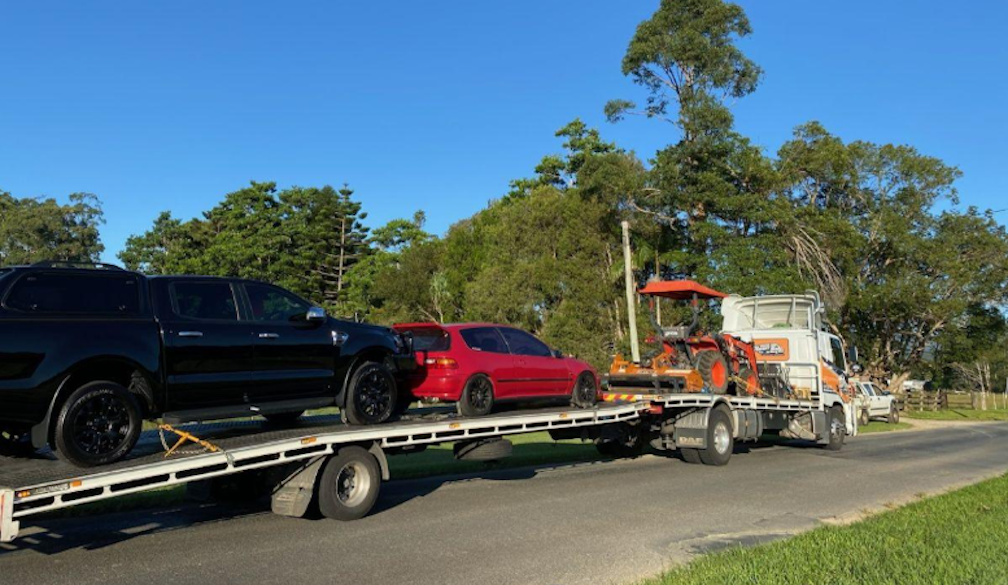
One suggestion to alleviate pressure on food supply and farmer security is interstate car transport companies. They help move farm machinery and supplies across the country, but unfortunately, not all car transporters can fill the gap. This is because many can only carry “standard loads”, such as cars and caravans that fit in certain design parameters, dimensions, weight, and safety limits.
Farm machinery may be more awkwardly shaped, heavy, and potentially dangerous. So, there are multiple requirements for freight companies to provide additional transport services, but the opportunity remains.
Car transport services need to meet certain requirements and expertise
Firstly, interstate transport services must have both the equipment and expertise to load these non-standard loads. They should also have the capacity to deliver, meaning flexible transport solutions that combine these unusually sized machines with regular deliveries. Finally, transport services need to be available interstate, not just city-to-city, but across regional and remote areas. Working with these specialised car transport companies can mean a whole new option and reduced costs for the farming industry.
"Space on trucks is at a premium with this fuel crisis. We are making runs across the country with variable loads, so we often have room to load, or even backload farming equipment and supply. We also have the expertise. Not all interstate car transport companies can carry oversized or undersized goods," said Robin Moore of All Vehicle Freight.